Laundry Detergent Ingredients (Chemicals List)
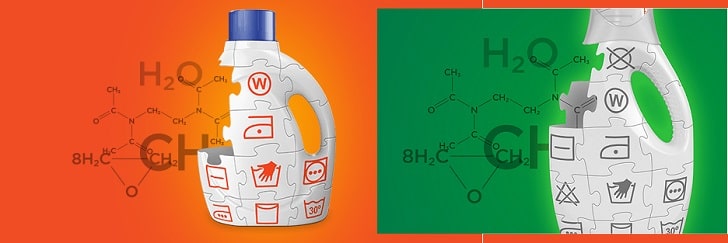
Laundry detergents have come a long way, evolving from traditional soap made with animal fat and lye to modern formulations filled with advanced stain-fighting chemicals and enzymes. Today, consumers can choose from both natural and synthetic detergent options that keep clothes fresh and clean. Let’s explore the key ingredients in modern laundry detergents and how they function.
The Basics of Detergent Formulas
Each detergent manufacturer has a unique formula, using a mix of ingredients that are either plant-based or derived from petroleum. The composition and proportion of these ingredients determine the detergent’s overall cleaning performance.
The Role of Alkalies in Cleaning
Alkalies are essential components in most laundry detergents, consisting of soluble salts that neutralize acids. They play a crucial role in removing dirt and stains from fabrics without the need for heavy scrubbing. Potassium and sodium-based salts are particularly effective at breaking down grease, emulsifying solid or oily particles so they can be washed away.
In the past, soap makers used ashes from plants to create alkalies. Today, sodium hydroxide (also called caustic soda) and potassium hydroxide are chemically produced to serve as the primary alkaline ingredients in detergents. Although strong alkalies can cause burns if swallowed, detergents are formulated to neutralize them, making household products safe for general use.
Common alkalies include:
- Mild Alkalies: Sodium bicarbonate (baking soda)
- Moderate Alkalies: Borax, household ammonia, trisodium phosphate (TSP)
- Strong Alkalies: Sodium carbonate (washing soda), caustic soda (lye)
Surfactants and Anti-Redepositing Agents
Surfactants are one of the most significant components in any detergent. They are responsible for loosening dirt and oils from fabric and ensuring that these particles stay suspended in water until rinsed away. Without surfactants, dirt could reattach to clothes during the washing process.
Anionic surfactants, which carry a negative charge, are particularly effective at removing oily stains. However, hard water containing minerals like calcium and magnesium can interfere with anionic surfactants, reducing their efficiency. In contrast, non-ionic surfactants have no charge and are better suited for hard water conditions. Some detergents combine both types of surfactants for optimal cleaning power.
Types of surfactants include:
- Alkyl sulfates (anionic)
- Alkyl ethoxylate sulfates (anionic)
- Ethers of fatty alcohols (non-ionic)
Functional Additives in Detergents
In addition to the core cleaning agents, detergents contain several functional additives to enhance performance:
- pH Modifiers: Balance acidity and alkalinity in the water
- Optical Brighteners: Mimic the effect of bleach by absorbing UV light and emitting a bluish glow to make clothes look whiter
- Water Conditioners: Address the effects of hard water and prevent dye transfer
- Suds Control Agents: Minimize excess foaming using soap or silicone
- Preservatives: Prevent the growth of bacteria or mold in detergent formulations
Catalytic Enzymes: The Key to Targeted Cleaning
Enzymes are specialized proteins that target specific types of stains, breaking down soil into smaller, more manageable particles. Different enzymes are formulated to handle different types of stains:
- Protease: Breaks down protein-based stains like blood or sweat
- Amylase: Targets carbohydrate-based stains such as pasta sauce
- Lipase: Degrades fat-based stains like grease
- Cellulase: Helps clean and refresh cotton fibers
- Mannanase: Works on food-related stains like chocolate or mayonnaise
- Pectinase: Breaks down fruit-based stains like juice
Enzymes allow laundry detergents to work effectively at lower temperatures, which saves energy and reduces the amount of detergent needed.
Fragrance and Colorants in Detergent
Fragrance plays a major role in the perceived cleanliness of laundry. However, it’s important to note that added fragrances don’t actually clean clothes but simply mask odors. Likewise, colorants or dyes are added for visual appeal, but they don’t contribute to the cleaning process.
Tip for Sensitive Skin: If you have sensitive skin, it’s best to choose detergents without added dyes or fragrances. These ingredients are often the cause of irritation for those with sensitive skin.
How Laundry Detergents Work
Achieving the best results from your laundry detergent depends on a combination of three elements: chemical energy (the detergent), thermal energy (water temperature), and mechanical energy (the washing process).
- Chemical Energy: The power of your detergent depends on its ingredients. Detergents with more enzymes offer superior cleaning performance, while cheaper options may lack these beneficial components.
- Thermal Energy: Detergents perform better in warmer water, but certain fabrics are sensitive to heat. Many modern detergents are formulated to compensate for colder water by increasing the effectiveness of surfactants and alkalies.
- Mechanical Energy: This comes from your washing machine or manual washing efforts, helping to agitate clothes and remove stains.
How to Choose the Right Detergent
With so many laundry detergent options available, selecting the best one for your household can feel overwhelming. Here’s a guide to help you make an informed decision:
- Assess Your Laundry Needs: Consider the types of stains and the soil level of your clothes. If most of your laundry consists of lightly soiled garments, a basic detergent combined with a stain remover might suffice. For heavily soiled or sweaty items, opt for a more robust detergent with added enzymes.
- Read Labels Carefully: Check for key cleaning agents like surfactants and enzymes. Cheaper detergents may lack these ingredients and perform poorly on tougher stains.
- Cold Water Considerations: While most detergents can clean in cold water, it’s best to select a detergent specifically designed for cold-water washing if that’s your primary washing method.
- Concentrated Formulas and Single-Dose Packs: Concentrated detergents deliver the same cleaning power as larger containers but in smaller, more eco-friendly packaging. Single-dose packs prevent overuse and can save money over time.
- Don’t Be Fooled by Fragrance: A pleasant scent doesn’t guarantee cleanliness. Make sure your detergent is effectively removing dirt, not just masking odors.
Alternative Languages .dropdown-content { display: none; background-color: #f9f9f9; padding: 10px; box-shadow: 0px 4px 8px rgba(0, 0, 0, 0.2); margin-top: 10px; } .dropdown-content a { display: block; padding: 8px 16px; text-decoration: none; color: black; } .dropdown-content a:hover { background-color: #ddd; } .dropbtn { padding: 10px 20px; background-color: #4CAF50; color: white; border: none; cursor: pointer; font-size: 16px; } .dropbtn:hover { background-color: #45a049; }
Alternative Languages
Danish Deutsch Español French Italiano Polish Türkçe
function toggleDropdown() { var dropdown = document.getElementById(“dropdownContent”); if (dropdown.style.display === “block”) { dropdown.style.display = “none”; } else { dropdown.style.display = “block”; } }